
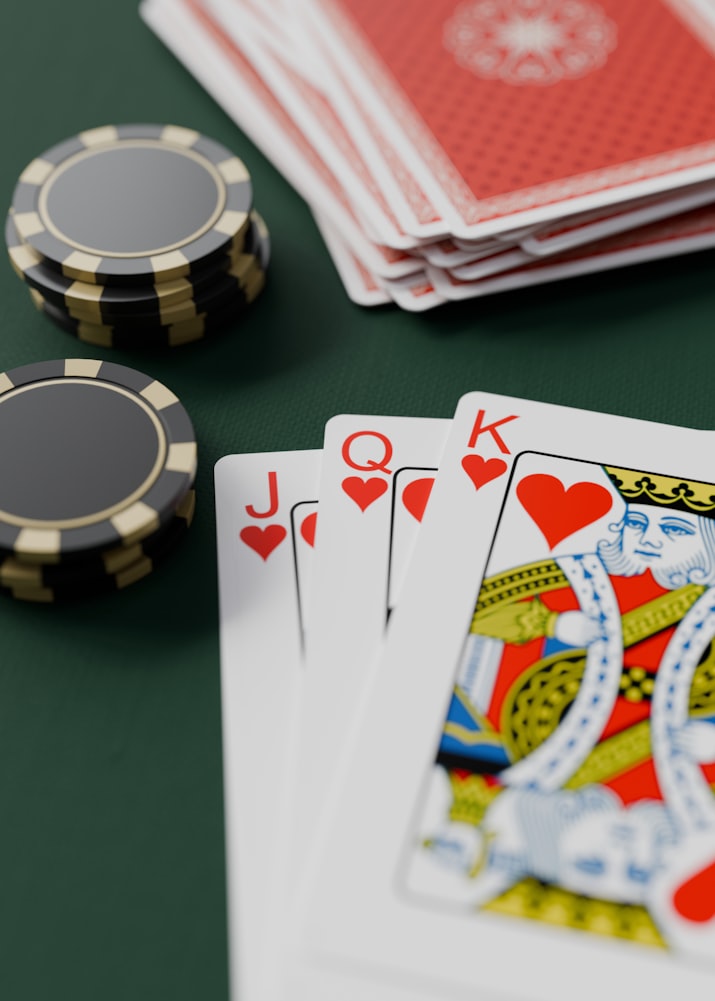


Mastering the art of bluffing in poker rooms
Mastering the art of bluffing in poker rooms
Understanding the Psychology of Bluffing
Bluffing is a fundamental aspect of poker, rooted deeply in psychological strategy. Understanding your opponents’ thought processes allows you to predict their reactions. When you bluff successfully, you’re essentially manipulating the emotions and expectations of others at the table. A well-timed bluff can induce fear or uncertainty, compelling your opponents to fold stronger hands, much like the excitement found in the best online pokies australia where players must read the room. This psychological manipulation requires keen observation and adaptability to continually assess how your bluff is perceived.
Consider the various player types at the table: the tight player who only bets with premium hands and the loose player who frequently bluffs. Knowing how to tailor your bluffing strategy according to these profiles is crucial. A bluff against a tight player may succeed because they are more inclined to play conservatively. Conversely, a loose player might call you more often, demanding a more nuanced approach to your bluffs. This adaptability is key in mastering the art of deception in poker.
Additionally, confidence plays a significant role in the execution of a bluff. Your ability to read the table and maintain a calm demeanor can imply strength, influencing how others perceive your hand. When you bluff, the conviction in your gestures and betting patterns can make or break your strategy. If you often exhibit uncertainty or hesitation, opponents may pick up on these cues and be less likely to fold, nullifying your bluff’s effectiveness.
Creating a Convincing Story
To successfully bluff, it’s essential to construct a narrative that makes sense within the context of the game. A convincing story should align with the actions you’ve taken in previous hands, creating credibility around your current bet. For example, if you’ve been playing aggressively, a sudden large bet may appear natural, suggesting you have a strong hand. Conversely, if you’ve been passive, an abrupt aggressive play might raise suspicions. Ensuring your story is consistent with your actions can bolster the believability of your bluff.
Common scenarios where a bluff may thrive include when the board shows cards that could feasibly support a strong hand. For instance, if the community cards present a potential flush or straight, bluffing as if you are holding the cards that complete those hands might deceive your opponents into folding. It’s crucial to read the board and determine whether your story holds water based on the communal cards and the betting patterns of others.
Moreover, consider the timing of your bluff. Executing your bluff at a moment when your opponents are more vulnerable—perhaps after a series of aggressive plays from others or on a particular betting round—can maximize its efficacy. The art of bluffing lies not just in the action itself but in the layers of narrative you weave around it, creating a seamless story that lures your opponents into believing you have the upper hand.
Recognizing the Right Moment to Bluff
One of the core elements of successful bluffing is the ability to recognize the opportune moments for deception. Bluffing is not a strategy that should be used indiscriminately; rather, it must be finely tuned to the specific dynamics of the game. Elements such as the table texture, player tendencies, and your position at the table all significantly contribute to determining whether a bluff is likely to succeed. For example, it might be more advantageous to bluff from a later position, where you have more information about your opponents’ actions before making your move.
Assessing your opponents’ emotional states can also guide you in identifying the right moment to bluff. Players who are feeling uncertain or on tilt are more likely to fold when faced with an aggressive play. Observing betting behavior, such as hesitation or a sudden change in aggression after your earlier bets, can indicate a potential opportunity to execute a bluff. This strategic observation is crucial for timing your actions effectively.
Ultimately, the effectiveness of your bluff will greatly depend on the circumstances at hand. Factors like the size of the pot and the players remaining in the game also need to be considered. If the pot is large, players might be less inclined to fold, especially if they have invested a significant amount into the hand. Therefore, successful bluffing requires a blend of acute awareness, timing, and the ability to gauge your opponents’ emotions and behaviors accurately.
Practicing Your Bluffing Skills
Bluffing is a skill that requires practice and refinement. Engaging in practice rounds, whether at home or in low-stakes games, can help you hone your bluffing skills without the pressure of high-stakes situations. As you play, experiment with different bluffing strategies, noting what works and what does not. Reflecting on these outcomes allows you to understand the nuances of timing, player behavior, and narrative construction, which are vital in a bluffing context.
Another effective way to practice is by reviewing your past games and analyzing your bluff attempts. Were they successful? If not, what were the factors that led to their failure? This reflective practice allows you to learn from your mistakes and adapt your strategies accordingly. By studying both your plays and those of skilled players, you can gain insights into successful bluffing techniques and incorporate those lessons into your own gameplay.
Additionally, seeking feedback from fellow players can enhance your understanding of bluffing. Discussing your strategies and their outcomes can provide fresh perspectives and innovative approaches. Engaging with the poker community, whether through forums or local clubs, allows you to exchange tips and ideas, further sharpening your skills and understanding of bluffing in various contexts.
Your Destination for Poker Insights
For those looking to deepen their understanding of poker, including the intricate art of bluffing, our website is the ultimate resource. We provide a wealth of information that covers various strategies, expert tips, and analyses of different poker scenarios, including how to bluff effectively. By engaging with our content, you’ll find insights that help elevate your game and increase your chances of success at the poker table.
Our platform also offers a community for players of all skill levels. Whether you’re a beginner seeking to grasp the basics or an experienced player looking to refine your techniques, our forum is the perfect place to connect with others. Sharing experiences and learning from one another fosters a collaborative environment where players can grow and thrive in their poker journey.
Join us as we explore the multifaceted world of poker, where mastering the art of bluffing and other strategies can drastically improve your overall gameplay. With our resources at your fingertips, you’re well-equipped to take your poker skills to the next level, ensuring a more successful and enjoyable experience in poker rooms. Explore, learn, and become a seasoned player in this captivating game!